Why Do People Choose E Cigarettes Over Traditional Smoking?
The rise of e-cigarettes has transformed the smoking landscape. According to a report by the Global Burden of Disease Study, nearly 5.5 billion people globally are using e-cigarettes. This shift is driven by a mix of health concerns and social perceptions. Many users believe e-cigarettes are less harmful than traditional tobacco products. The CDC states that e-cigarette use among adults has increased by 48% in recent years.
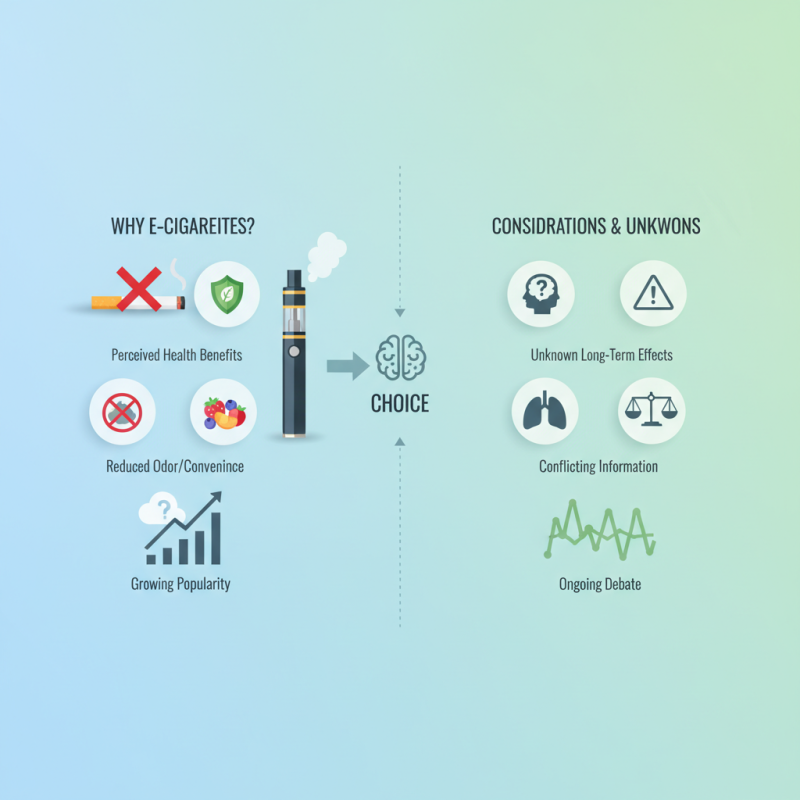
E-cigarettes offer users a variety of flavors, making them more appealing. The convenience of use is another factor. Many people appreciate that e-cigarettes produce less odor. However, the long-term effects of e-cigarette use remain unknown. Some experts warn that vaping can lead to health issues similar to smoking. This complexity makes the choice between e-cigarettes and traditional cigarettes a difficult one.
Consumers often face conflicting information. While some studies highlight the potential harm reduction of e-cigarettes, others caution against underestimating their risks. The conversation around e-cigarettes is ongoing and multifaceted. It is essential to dive deeper into why users opt for e-cigarettes, considering both benefits and drawbacks.
Factors Influencing the Shift to E Cigarettes from Traditional Smoking
The shift from traditional smoking to e-cigarettes is influenced by various factors. Many people perceive e-cigarettes as a safer alternative. The absence of tar and many harmful chemicals seems appealing. Users appreciate the variety of flavors available. This appeal adds to the enjoyment of the vaping experience.
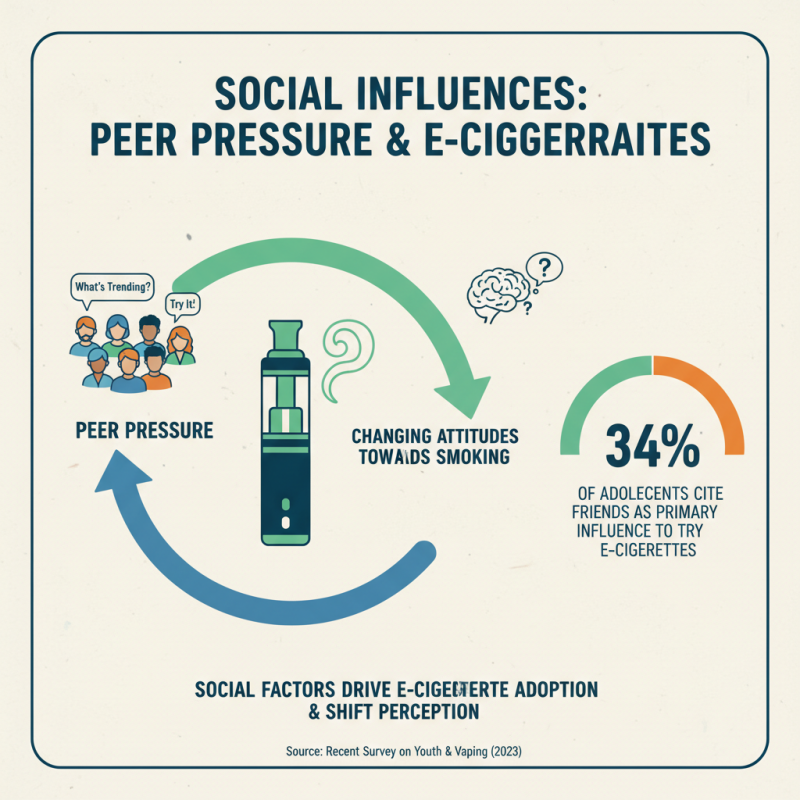
Social perceptions play a significant role in this transition. E-cigarettes are often viewed as modern and trendy. Traditional smoking is increasingly stigmatized. Many young adults and teens feel more accepted using e-cigarettes in social settings. This shift often conflicts with personal health considerations. It raises questions about the long-term effects of such choices.
Additionally, convenience matters greatly. E-cigarettes can be used discreetly. Users can find more spaces to vape compared to smoking. However, the convenience can lead to overuse. This raises doubts about self-regulation among users. The ease of access to e-cigarettes may not guarantee a healthier lifestyle. Each choice brings its own set of concerns and implications.
Health Perceptions: Risks and Benefits of E Cigarettes Compared to Cigarettes
The perception of health risks and benefits plays a crucial role in why many individuals opt for e-cigarettes over traditional smoking. People often believe that e-cigarettes present a safer alternative. This is largely due to the misconception that they contain fewer harmful substances. Many users feel reassured by claims of reduced exposure to tar and carcinogens. However, the long-term health effects of e-cigarette use remain unclear.
Health studies indicate that while e-cigarettes may have fewer toxic elements than cigarettes, they are not without risks. Nicotine addiction persists in both forms. Users may experience unexpected health issues, leading to concerns about lung health and cardiovascular effects. Public health experts advise caution, highlighting the importance of understanding potential risks. The evolving landscape of vaping technologies also adds complexity to these perceptions.
Engaging in open conversations about these topics can foster better awareness. Users should reflect on personal motivations for choosing e-cigarettes. This requires honest consideration of health impacts and alternatives. Misunderstandings about safety may lead to reliance on e-cigarettes instead of pursuing healthier choices. The ongoing dialogue about vaping can ultimately guide individuals toward informed decisions about their health.
Why Do People Choose E Cigarettes Over Traditional Smoking? - Health Perceptions: Risks and Benefits of E Cigarettes Compared to Cigarettes
| Criteria |
E-Cigarettes |
Traditional Cigarettes |
| Nicotine Content |
Adjustable levels |
Fixed levels |
| Flavor Variety |
High |
Limited |
| Perceived Health Risks |
Lower |
Higher |
| Social Acceptance |
Increasing |
Decreasing |
| Odor |
Minimal |
Strong |
| Cost |
Varies, generally lower in the long run |
Consistently higher |
| Accessibility |
Widely available |
Widely available |
Flavor Variety and Customization: Attraction of E Cigarette Options
The appeal of e-cigarettes often lies in their wide range of flavors and customization options. Many users enjoy experimenting with various taste profiles. Fruity, minty, and dessert flavors provide choices that traditional tobacco products simply can't match. These unique flavors attract a diverse crowd, from former smokers to curious newcomers.
Customization adds another layer of attraction. Users can adjust nicotine levels, which allows for a more personalized experience. Some prefer high nicotine for a stronger hit, while others choose lower levels or none at all. This flexibility empowers users to control their intake. However, it raises concerns about the reasons behind these preferences. Are people chasing flavors or merely avoiding the harshness of smoke? These questions encourage deeper reflection on individual choices and motivations.
Despite the benefits of variety, it's essential to recognize potential downsides. The myriad of options can be overwhelming for newcomers. It may lead to confusion rather than enjoyment. Additionally, some users might underestimate the implications of modifying their consumption habits. Navigating the vast world of e-cigarettes requires careful consideration and self-awareness.
Regulatory Impact: How Laws Affect E Cigarette Use Over Traditional Smoking
Regulations significantly shape the landscape of e-cigarette use. Many governments have imposed strict guidelines on traditional tobacco products. These may include high taxes and age restrictions. In contrast, some regions have adopted more lenient regulations for e-cigarettes. This creates an appealing option for individuals seeking alternatives to smoking.
Understanding the regulatory environment is crucial for users. Laws can dictate where e-cigarettes can be consumed. They can also influence product availability. For instance, certain jurisdictions may have flavors available that others do not. This diversity in regulation affects consumer choice. Users often perceive e-cigarettes as less harmful due to these policy differences. However, public perception may not always align with scientific evidence.
Reflecting on these laws reveals a complex relationship. While regulations aim to protect public health, they can unintentionally promote e-cigarette use. People look for less restricted options. This raises questions about the effectiveness of existing policies. The need for balanced regulation remains vital to ensure safe choices for all consumers. Understanding these nuances is essential for informed decision-making.